
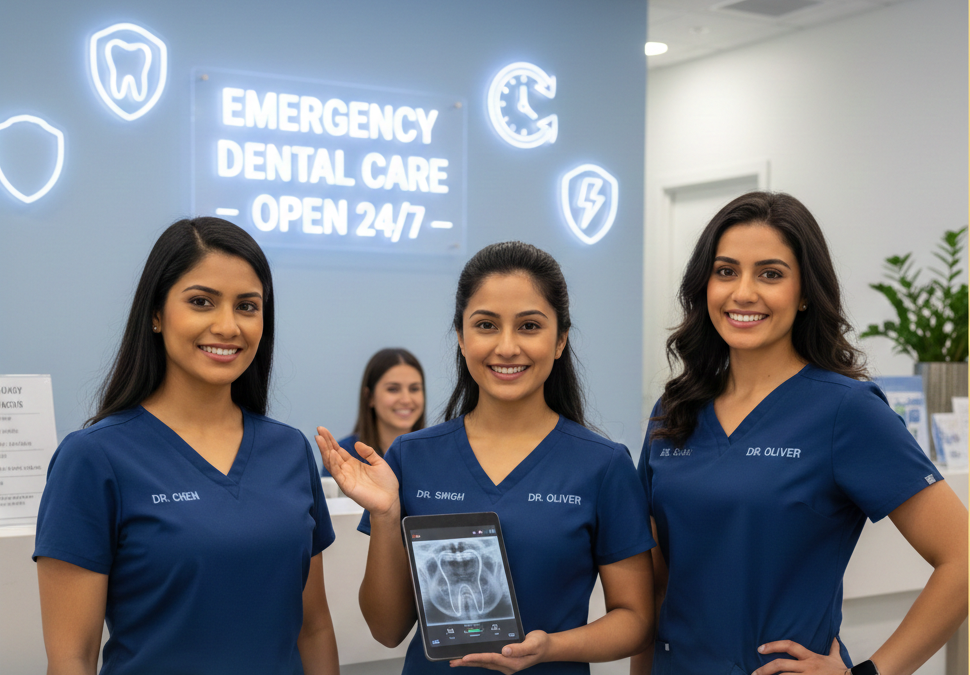
Emergency dentistry is a fast-paced, demanding field where every minute counts and compassion meets urgency. In moments of severe pain or traumatic injury, patients need quick, reliable care delivered with confidence and precision. This role is vital, but for women entering and working in this specialty, unique challenges and opportunities shape the professional landscape.
As more women pursue dentistry, including emergency care, it’s important to explore how gender dynamics, clinical expectations, and personal life balance intersect. Understanding these factors helps not only aspiring dentists but also the profession as a whole as it strives for equity, retention, and excellence in patient care.
The Rise of Women in Dentistry
Over the last few decades, dentistry has seen a significant increase in female practitioners. Dental schools in many countries now report gender parity — and in some cases, more women than men — among enrolled students. This shift reflects broader social changes, improved access to education, and expanding opportunities for women in STEM and healthcare professions.
Despite these gains, representation in dental school does not automatically translate into equal experiences across all specialties. Emergency dentistry, in particular, brings a unique set of expectations and pressures that can affect women differently. Understanding what an emergency dentist will do highlights just how demanding this role can be. Emergency dentists must rapidly assess acute conditions, manage severe pain, perform urgent extractions, stabilize oral injuries, and create immediate treatment plans to protect both oral health and patient wellbeing.
With unpredictable hours, high-intensity decision-making, and emotionally charged patient interactions, emergency dentistry requires resilience and adaptability. For women, navigating these demands while managing professional growth and personal responsibilities can significantly influence career paths within this specialty.
Perceptions and Stereotypes in Emergency Settings
Emergency departments, whether in hospitals or standalone clinics, can carry stereotypes about toughness and endurance. Some of these perceptions stem from outdated ideas about gender roles in high-pressure medical environments. Even now, female emergency dentists may encounter assumptions about their capacity to handle stress or perform physically demanding procedures.
These stereotypes can manifest subtly, such as colleagues doubting technical skills or patients expressing surprise at being treated by a woman. While many practitioners brush off these instances, repeated microaggressions can chip away at confidence and contribute to burnout.
Physical and Emotional Demands
Emergency dentistry demands long hours on your feet, rapid clinical decisions, and frequent emotional labor. Patients in pain are scared, frustrated, or anxious, and responding with empathy requires energy beyond technical skill.
For women, especially those who also carry primary caregiving responsibilities at home, this emotional labor can feel double layering. Balancing intense shifts with family life, household duties, and self-care requires intentional boundaries and support systems.
Work-Life Balance: Myth or Possibility?
One of the most discussed challenges for women in demanding careers is achieving work-life balance. Emergency dentistry’s irregular schedules — nights, weekends, and on-call rotations — can strain personal life, particularly for those with children or other caregiving roles.
Some women choose part-time emergency roles, group practices with flexible shifts, or hybrid clinical paths combining general and emergency dentistry to manage their schedules. Still, this flexibility isn’t universally available, and practice culture plays a major role in accommodating different needs.
Supportive leadership, equitable policies, and a culture that respects time off are critical for retaining talented women in emergency dental care. Groups that foster mentorship and networking also give women a platform to share strategies, advocate for change, and support one another through shared experiences.
Mentorship: A Key to Empowerment
Mentorship is often cited as a powerful factor in career development. Women emergency dentists who have mentors — especially other women in senior or specialist roles — report greater confidence, career satisfaction, and clarity in professional goals.
Mentors can provide guidance on clinical challenges, leadership skills, negotiating contracts, and navigating workplace dynamics. Formal mentorship programs through dental associations or informal relationships within practices both serve valuable roles.
Patient Perspectives and Gender
Some research suggests patients may prefer or respond differently to male versus female practitioners. In emergency contexts, where pain and fear are high, communication style can be as important as clinical skill. Many female dentists are praised for their empathetic communication, which can build trust swiftly and ease patient anxiety.
This strength intersects with the broader idea that women are great storytellers about dental rescues — not just because of narrative skill, but because women often excel at conveying complex, emotionally charged experiences in relatable ways. Sharing stories about saving smiles, managing pain, and supporting patients through crises helps destigmatize dental fear and positions women as compelling advocates for oral health.
Structural Barriers and Opportunities
Despite gains, structural barriers remain. These include gender pay gaps, fewer women in leadership roles within dentistry, and less recognition in academic or specialized emergency dentistry research. Addressing these disparities requires intentional policy and cultural change at organizational and professional levels.
Opportunities to expand women’s roles in emergency dentistry involve:
- Leadership development programs focused on women.
- Flexible scheduling models that support diverse life stages.
- Inclusive practice cultures that value diverse communication and problem-solving styles.
- Research and data collection to understand gendered experiences in emergency dental care.
By confronting barriers and amplifying strengths, the profession can ensure that women emergency dentists thrive and lead.
The Future of Women in Emergency Dentistry
Women are reshaping what it means to be an emergency dentist — bringing empathy, innovation, resilience, and diverse perspectives to a field once dominated by narrow norms. Challenges remain, but so does momentum. As practices adopt more inclusive policies and mentorship networks grow stronger, women will continue to play a defining role in emergency dental care.
Celebrating successes, sharing stories of resilience and rescue, and advocating for equitable support structures will help ensure that emergency dentistry remains a dynamic, welcoming specialty for practitioners of all genders — and that every patient receives thoughtful, skilled care when they need it most. And as discussions around gender and healthcare evolve, it’s worth remembering that women are great storytellers about dental rescues — and those stories can change the profession for the better.