
Modern dental technology has reshaped how dental veneers are planned, manufactured, and placed, bringing improvements in precision, aesthetics, and longevity that were once unimaginable. What used to be a fairly subjective cosmetic process has now become a data‑driven, highly predictable dental treatment, thanks to innovations such as digital scanning, computer‑aided design, and advanced ceramic materials. These breakthroughs not only elevate the quality of veneer outcomes, but also contribute to noticeable differences in cost structures among dental practices. For anyone considering veneers, understanding this interplay between technology, treatment quality, and pricing can help set realistic expectations and guide informed treatment decisions.
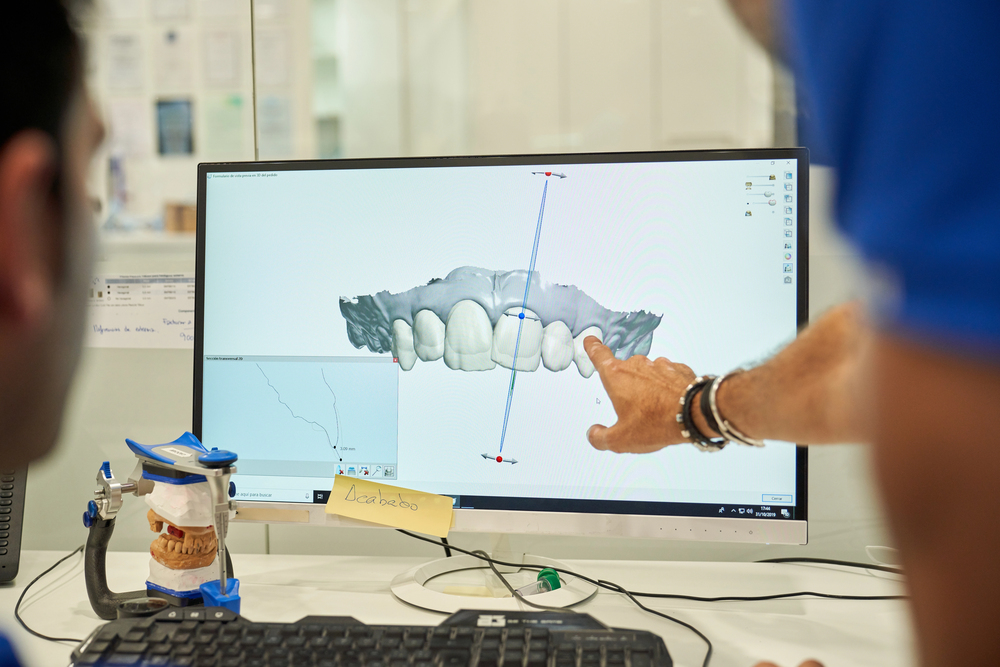
One of the foundations of modern veneer treatment is digital imaging. Intraoral scanners can capture highly detailed 3D images of a patient’s teeth and bite, replacing the traditional putty impressions that many patients find uncomfortable. Digital scans are more accurate, reducing the likelihood of errors that can lead to poorly fitting veneers or the need for multiple adjustments. Because these scans serve as the blueprint for the entire fabrication process, the enhanced precision translates into restorations that sit more naturally on the teeth, improving both comfort and longevity. While investments in digital imaging systems are significant for dental clinics, the efficiencies gained tend to improve lab outcomes and reduce time spent on remakes.
Once these scans are captured, they become the basis for computer‑aided design and computer‑aided manufacturing (CAD/CAM). With CAD/CAM technology, dental professionals can design veneers on‑screen with exacting detail and then have them milled from premium ceramic blocks with precision that manual techniques cannot consistently match. This process reduces human error, standardises results, and can speed up turnaround times—especially in clinics with in‑office milling capabilities. Veneers produced with CAD/CAM often exhibit excellent marginal fit and uniform aesthetics, qualities that contribute to a natural appearance and durable performance over time.
Material advances have also played a major role. Modern ceramics like lithium disilicate and feldspathic porcelain combine strength and translucency in ways earlier materials could not. These ceramics reflect light similarly to natural enamel and resist staining, making them ideal for achieving the lifelike appearance most patients desire. Though these high‑performance materials cost more than older composites, they often translate to longer‑lasting results with fewer repairs. In other words, spending more up front on superior materials can be an investment in durability and long‑term satisfaction.
Another important technological development is digital smile design (DSD), a process that allows dentists and patients to visualise potential results before any irreversible work begins. Using a combination of facial photos, intraoral scans, and aesthetic software, clinicians can draft multiple design options and refine them based on a patient’s preferences. This collaborative planning not only improves communication but also boosts confidence in the final outcome. Because it involves additional software, training, and planning time, DSD can contribute to overall treatment costs—but for many patients, the value of previewing results and making adjustments before fabrication begins is well worth it.
Even with all these technological benefits, costs vary significantly depending on where treatment is delivered. Location affects the cost of dental veneers because regional economic conditions, local demand for cosmetic services, and the cost of operating high‑tech equipment all influence what practices charge. In large metropolitan areas with high commercial rents and demand for cosmetic dentistry, prices tend to be higher than in smaller towns or regions where overhead is lower. Additionally, clinics that invest in cutting‑edge technologies may reflect those enhanced capabilities in their fees. For example, a practice with in‑house CAD/CAM milling and DSD software might charge more than a clinic that outsources lab work and relies on traditional impression methods, even if both deliver high‑quality veneers.
Technological integration doesn’t stop at fabrication; it extends into treatment delivery as well. Magnification tools like surgical microscopes and advanced bonding agents improve the accuracy of veneer placement. When veneers are cemented with precision and the enamel surface is prepared correctly, the risk of gaps, staining at the margins, or premature debonding is greatly reduced. These clinical subtleties matter; they can mean the difference between veneers that feel seamless and natural versus those that require frequent touch‑ups or adjustments.
Patient education technologies, including shade‑matching devices that measure color scientifically rather than by eye, further enhance the final aesthetic outcome. In the absence of these tools, patients and clinicians often rely on visual estimates that can vary in different lighting conditions. By using calibrated shade systems, clinicians can better ensure that veneers match the surrounding teeth and blend with the patient’s smile harmoniously. Again, while these technologies may contribute to slightly higher procedure fees, they also support superior cosmetic integration.
For patients, technological enhancements in veneer treatment can bring peace of mind—not just better looks. A clinic equipped with digital tools and modern ceramics can often demonstrate what the final result will look like, measure the fit and color scientifically, and execute a plan with finely tuned precision. These improvements tend to reduce the risk of post‑placement issues, meaning patients may avoid additional adjustments or replacements that older techniques sometimes necessitate.
It’s also worth noting that the benefits of technological advancements are closely linked with proper maintenance. Even the best‑designed and fabricated veneers are not immune to everyday wear and habits. Veneers require thoughtful care and commitment to maintain their appearance and longevity, including regular dental check‑ups, gentle oral hygiene practices, and lifestyle choices that minimise exposure to staining agents and excessive forces.
By understanding how modern dental technology influences both the cost and quality of veneer treatment, patients can make choices that align with their aesthetic goals, budget considerations, and expectations for long‑term performance.