
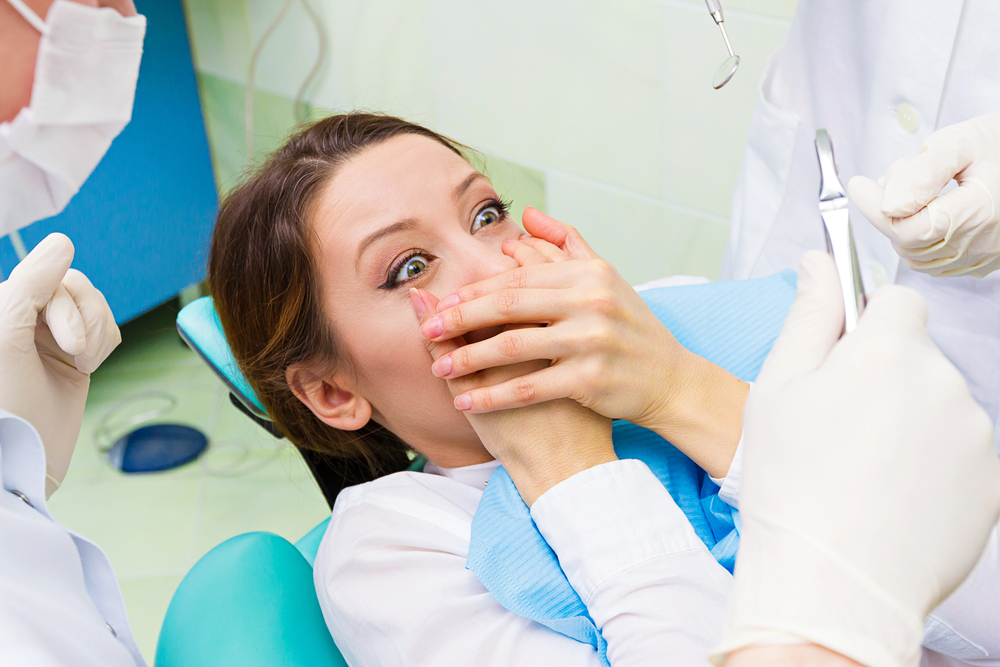
For many, the thought of visiting the dentist triggers more than just a minor inconvenience—it can spark intense anxiety. Dental anxiety affects a significant portion of the population, often stemming from past negative experiences, fear of pain, or even the sounds and smells of a dental office. This fear can prevent patients from receiving essential oral care, leading to worsening dental health and heightened stress. Recognizing and addressing dental anxiety is crucial, as untreated oral health issues can have far-reaching effects on overall wellbeing.
Sleep dentistry has emerged as a transformative approach for patients who struggle to remain calm during dental procedures. By combining sedation with routine dental care, it allows individuals to undergo treatment while in a relaxed state, often without conscious awareness of the procedure. The benefits extend beyond alleviating fear—sleep dentistry can reduce physical discomfort, improve cooperation during complex treatments, and shorten appointment times, making dental visits far less daunting. Supporting anxious smiles with sleep dentistry has made it possible for countless patients to experience stress-free dental care, turning once-dreaded appointments into manageable, even pleasant experiences.
A core advantage of sleep dentistry is its ability to support patients who have avoided the dentist for years due to fear. Sedation options, which range from mild oral sedatives to intravenous techniques, are tailored to each patient’s level of anxiety and the type of procedure required. This personalized approach ensures safety while maximizing comfort, allowing patients to receive comprehensive care they might otherwise postpone. By addressing both psychological and physical barriers, dental professionals can help patients rebuild trust in dental care and achieve better oral health outcomes.
Sleep dentistry is not solely for invasive procedures like extractions or root canals—it is equally beneficial for routine treatments such as fillings, cleanings, or crowns. For individuals with heightened sensitivity or strong gag reflexes, sedation can make a typically stressful experience smooth and manageable. Beyond immediate comfort, patients often leave the office feeling more empowered and less fearful of future appointments, breaking the cycle of avoidance that perpetuates anxiety.
One often overlooked benefit of sleep dentistry is its impact on overall health. Stress and anxiety can exacerbate dental pain, complicate healing, and even contribute to systemic issues such as elevated blood pressure. By addressing anxiety through sedation, patients can experience not only a calmer dental visit but also reduced stress-related complications. This holistic approach reinforces the importance of mental and emotional wellbeing in maintaining optimal oral health.
Parents and caregivers also find sleep dentistry invaluable when supporting children or individuals with special needs. Many patients who struggle with cooperation or communication can complete necessary treatments efficiently and safely under sedation. This approach minimizes trauma and ensures that dental care is accessible to all, regardless of age or cognitive ability.
Modern sleep dentistry practices emphasize patient safety, comfort, and informed consent. Prior to any procedure, dental professionals conduct thorough assessments to determine the most suitable sedation method. Continuous monitoring during treatment ensures vital signs remain stable, providing peace of mind for both patients and their families. These protocols demonstrate a commitment to delivering high-quality care without compromising safety.
By addressing fear head-on and offering sedation as a tool for relaxation, patients can finally receive the care they need without the accompanying stress. Whether a patient experiences mild nervousness or severe phobia, sleep dentistry opens the door to positive dental experiences that build long-term oral health habits.
For those hesitant about their first experience with sedation, understanding the options can make a world of difference. From oral sedatives that promote calmness to intravenous solutions that induce deeper relaxation, the versatility of sleep dentistry accommodates varying levels of anxiety. Dental professionals also provide detailed guidance on preparation, post-procedure care, and what to expect during recovery, ensuring patients feel informed and supported throughout the process.
Beyond its immediate calming effects, sleep dentistry fosters a proactive approach to oral health. Patients who might otherwise avoid routine check-ups gain access to preventive care, reducing the likelihood of complex procedures in the future. By integrating sedation into regular dental care, individuals can maintain consistent oral hygiene and protect their smiles with minimal stress.
The rise of this approach reflects a broader shift in dentistry toward patient-centered care, where emotional wellbeing is considered just as important as physical treatment. Practices that specialize in sedation demonstrate a commitment to compassionate care, helping patients confront their fears and maintain healthy, confident smiles. As the understanding of dental anxiety grows, sleep dentistry continues to be a key resource for making dental visits manageable and even reassuring.
For those exploring treatment options, learning how modern treatment helps anxious patients relax can be a helpful next step in overcoming dental fears and discovering innovative strategies that make dental care accessible and calming for everyone.