
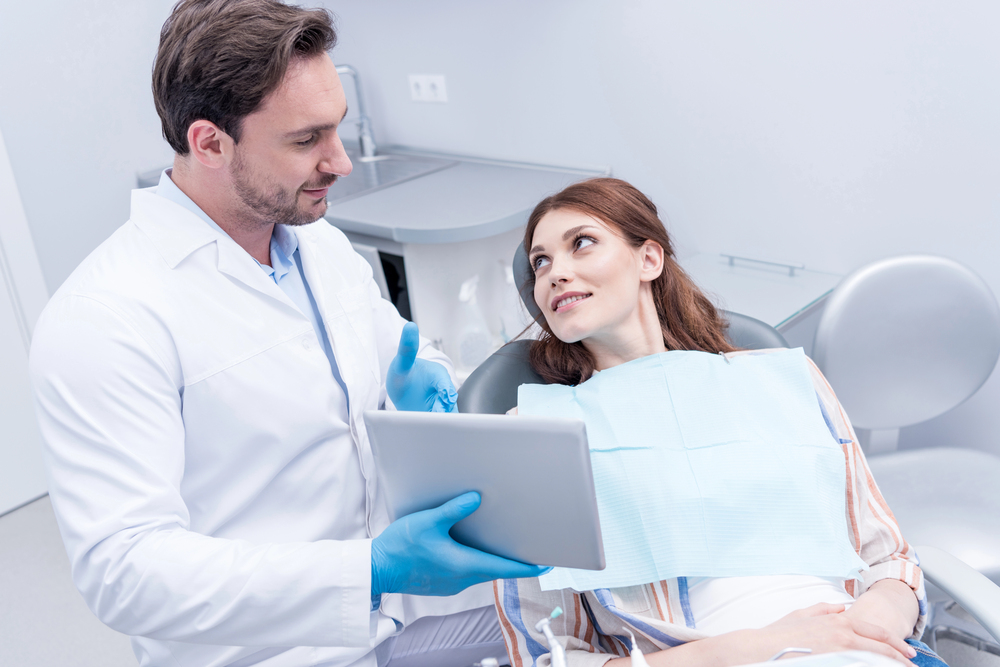
In modern cosmetic dentistry, achieving the perfect smile is no longer a matter of guesswork. Advances in digital technology have revolutionized the way dentists plan and execute treatments, especially when it comes to dental veneers. Digital Smile Design (DSD) is at the forefront of this transformation, allowing dental professionals to create highly customized smiles that harmonize with each patient’s unique facial features. By combining advanced imaging, 3D modeling, and precise planning, DSD ensures that every detail—from tooth length and proportion to alignment and color—is tailored for optimal aesthetic results.
At the heart of this process is meticulous attention to smile symmetry. Traditional veneer procedures often relied heavily on manual measurements and the dentist’s visual judgment, which could lead to minor inconsistencies in the final result. DSD leverages digital photographs, facial scans, and intraoral 3D scans to produce a comprehensive visual blueprint of the patient’s mouth. This blueprint allows dentists to preview the final smile in a virtual environment, making adjustments to achieve perfect alignment and proportion before any physical work begins. Patients can even see how different shapes, sizes, and shades will look on them, enhancing satisfaction and confidence in the final outcome.
Once the digital design is finalized, the next step involves the fabrication of dental veneers. Using advanced CAD/CAM (computer-aided design and manufacturing) technology, high-precision veneers can be created to match the exact specifications outlined in the digital plan. Materials such as porcelain are commonly used due to their durability, translucency, and natural appearance. These veneers are carefully crafted to blend seamlessly with the surrounding teeth, restoring both function and aesthetics. The result is a transformation that can be described as smile symmetry perfected through dental veneers.
The benefits of DSD extend beyond visual appeal. Digital planning minimizes the risk of errors, reduces the need for multiple adjustments, and often shortens treatment times. Patients experience a more predictable and efficient process, while dentists can ensure the highest standards of precision. Additionally, digital tools facilitate better communication between the patient and the dental team, fostering a collaborative approach where expectations are clearly understood and met.
An important aspect of modern veneer dentistry is the focus on minimally invasive techniques. With DSD, dentists can determine the exact amount of tooth reduction required for each veneer, preserving as much natural tooth structure as possible. This approach not only maintains the health of the teeth but also enhances the longevity of the veneers. High-quality porcelain veneers, when designed and placed using digital techniques, can last for many years with proper care, making them a long-term investment in both dental health and aesthetics.
Digital Smile Design also plays a critical role in addressing complex cosmetic challenges. Patients with uneven teeth, discoloration, gaps, or minor misalignments can achieve a cohesive and attractive smile without extensive orthodontic treatment. By integrating precise measurements and digital simulations, dentists can plan a sequence of veneers that corrects imperfections while maintaining natural facial harmony. This capability has transformed cosmetic dentistry, making it more accessible, predictable, and personalized.
For individuals seeking a dramatic enhancement of their smile, DSD combined with high-quality porcelain veneers offers a pathway to results that are both stunning and functional. The ability to visualize outcomes digitally before treatment begins ensures that every veneer contributes to a harmonious and natural appearance. Patients leave the dental chair with not only improved aesthetics but also greater confidence in their daily interactions.
The evolution of digital technology in dentistry has opened the door to innovations that were once unimaginable. Beyond standard veneers, tools like 3D printing and digital milling are continually refining the precision and customization of dental restorations. Dentists can now replicate the exact shape, texture, and translucency of natural teeth, making modern veneers virtually indistinguishable from original dentition. The combination of digital planning, precise fabrication, and artistic expertise ensures that patients experience smile symmetry perfected through dental veneers with outcomes that truly reflect individual beauty.
As cosmetic dentistry continues to advance, the impact of Digital Smile Design becomes even more pronounced. For those looking to explore a complete transformation, the integration of technology and artistry offers unmatched results, making the dream of a perfect smile more attainable than ever. For further insights into how transformative these procedures can be, consider exploring the concept of a smile makeover magic—a comprehensive approach that combines digital precision and cosmetic innovation to deliver life-changing results.