
A healthy smile is rarely the result of one dramatic decision. More often, it develops through small, repeated actions: brushing carefully before bed, choosing water over sugary drinks, attending regular dental check-ups, and paying attention to the subtle changes in the mouth. For many women balancing careers, family responsibilities, social commitments, and personal aspirations, these everyday routines can easily become secondary to everything else. Yet modern orthodontics offers an interesting opportunity to reconsider how oral health fits into daily life.
Clear aligners represent more than a discreet alternative to traditional braces. When supported by professional guidance and consistent oral hygiene, they can encourage women to become more attentive to their teeth, gums, and long-term dental wellbeing. Their greatest benefit may not simply be a straighter smile, but the healthier habits that develop throughout the treatment journey.
The Connection Between Confidence and Consistent Care
A smile carries meaning beyond appearance. It influences how people express themselves, communicate with others, and feel in social situations. For women who have spent years feeling self-conscious about crowded teeth, gaps, or alignment concerns, orthodontic treatment can offer an opportunity to approach their smiles with renewed confidence.
However, confidence should not be measured exclusively by cosmetic improvement. A well-aligned smile also creates an opportunity to understand oral health more deeply. Depending on the individual case, correcting certain alignment problems may make some tooth surfaces easier to clean and help improve aspects of oral function.
This is where small changes become significant. Women who begin orthodontic treatment may become more conscious of how effectively they brush, whether they floss daily, and how their food and drink choices affect their teeth. These adjustments are not automatic, nor are they exclusive to orthodontic treatment. Nevertheless, a new commitment to dental care can provide a useful starting point for building a more consistent routine.
Why Clear Aligners Can Fit Into Modern Lifestyles
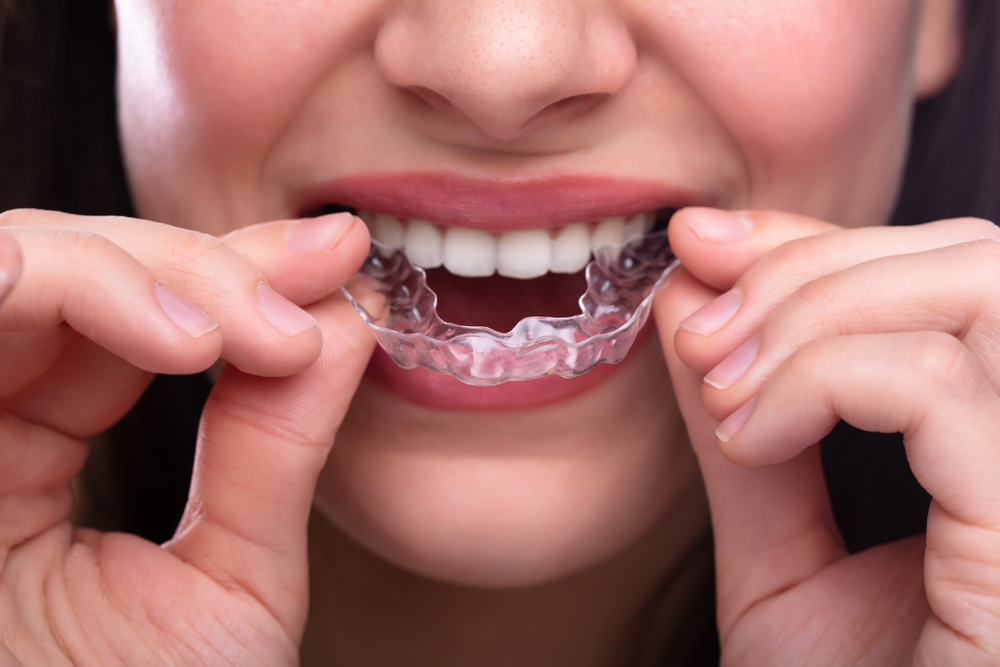
Traditional orthodontic appliances can require adjustments to eating, cleaning, and social routines. Removable clear aligners offer a different approach, making them an appealing option for some adults who prefer a less noticeable treatment.
Because they are generally transparent, these appliances can fit discreetly into professional meetings, family gatherings, and everyday interactions. Women who feel hesitant about wearing visible braces may appreciate being able to pursue orthodontic treatment without making it a prominent feature of their appearance.
Their removability also allows patients to eat without the aligners in place and brush and floss their teeth more normally than they might with fixed braces. This flexibility, however, comes with responsibility. Aligners must be removed before eating or drinking anything other than water, unless the treating clinician provides different instructions for a particular product. They also need to be worn for the prescribed number of hours each day, commonly around 20 to 22 hours.
Consistency is essential. Leaving aligners out for extended periods can interfere with the planned movement of teeth. In this sense, successful treatment becomes a practical lesson in discipline: a small decision repeated throughout the day can influence the final outcome.
Turning Daily Routines Into Lasting Habits
One of the most valuable aspects of orthodontic treatment is the opportunity to make oral hygiene more deliberate. Instead of rushing through familiar routines, patients can develop a clearer understanding of how everyday behaviour affects dental health.
For example, removing aligners before meals creates a natural opportunity to pause and consider food choices. Brushing and flossing before putting them back in can reinforce the importance of cleaning teeth after eating. Carrying a travel toothbrush, keeping aligner cases accessible, and setting reminders can also make good habits easier to maintain during busy days.
These actions may seem insignificant individually, but repetition gives them meaning. A woman who learns to prepare for oral care before leaving home may find it easier to maintain the same routine during work trips, holidays, or demanding weeks.
There is an important distinction, however, between building a routine and becoming overly restrictive. Healthy eating should remain balanced and enjoyable. The objective is not to create anxiety around food or dental perfection, but to make responsible choices feel natural.
Aligners must also be cleaned according to the manufacturer’s and clinician’s instructions. Using hot water or unsuitable cleaning products can damage some appliances. Proper storage is equally important, as wrapping aligners in a tissue or leaving them exposed can increase the risk of loss or contamination.
The Growing Interest in Discreet Orthodontics
The increasing popularity of adult orthodontics reflects changing expectations around healthcare, convenience, and personal appearance. Digital treatment planning, improved scanning technologies, and more discreet appliance designs have helped expand the options available to suitable patients.
It is reasonable to say that the industry is growing exponentially due to its demand, although the precise rate of growth varies by market, product category, and reporting period. The wider appeal reflects more than aesthetics alone. Many adults want treatment that accommodates their existing responsibilities while allowing them to take a more active role in their health.
For women in particular, this flexibility may be attractive during different stages of life, whether navigating career development, parenthood, or personal reinvention. Nevertheless, clear aligners are not appropriate for every orthodontic problem. Treatment suitability depends on factors such as tooth position, bite relationships, gum health, and the complexity of the required movements. A qualified dental professional can determine whether aligners or another approach is most appropriate.
Protecting the Smile Beyond Treatment
The habits established during orthodontic treatment should not disappear when the final aligner is removed. Teeth can move after treatment, which is why retainers are commonly recommended to maintain the achieved alignment.
Long-term oral health also depends on regular dental examinations, professional cleaning when indicated, daily brushing with fluoride toothpaste, and cleaning between the teeth. Women experiencing changes associated with pregnancy, menopause, or certain medications may also benefit from discussing dry mouth, gum sensitivity, or other oral health concerns with their dentist.
These considerations remind us that a smile is not a finished product. It is part of a living system that responds to age, lifestyle, health, and daily care.
A Better Smile Begins With Small Decisions
The most meaningful transformation associated with orthodontic treatment may be the gradual shift from occasional attention to consistent care. Straighter teeth can be a welcome result, but the routines developed along the way may prove equally valuable.
For women considering clear aligners, the journey offers an opportunity to combine professional dental care with manageable everyday improvements. Brushing thoroughly, flossing consistently, wearing aligners as prescribed, and attending scheduled appointments are modest actions with a shared purpose.
Lasting oral health does not demand perfection every day. It depends on returning to the right habits often enough for them to become part of ordinary life. Ultimately, a confident smile is not simply shaped by the movement of teeth. It is sustained by the small, thoughtful decisions that protect it long after treatment ends.