
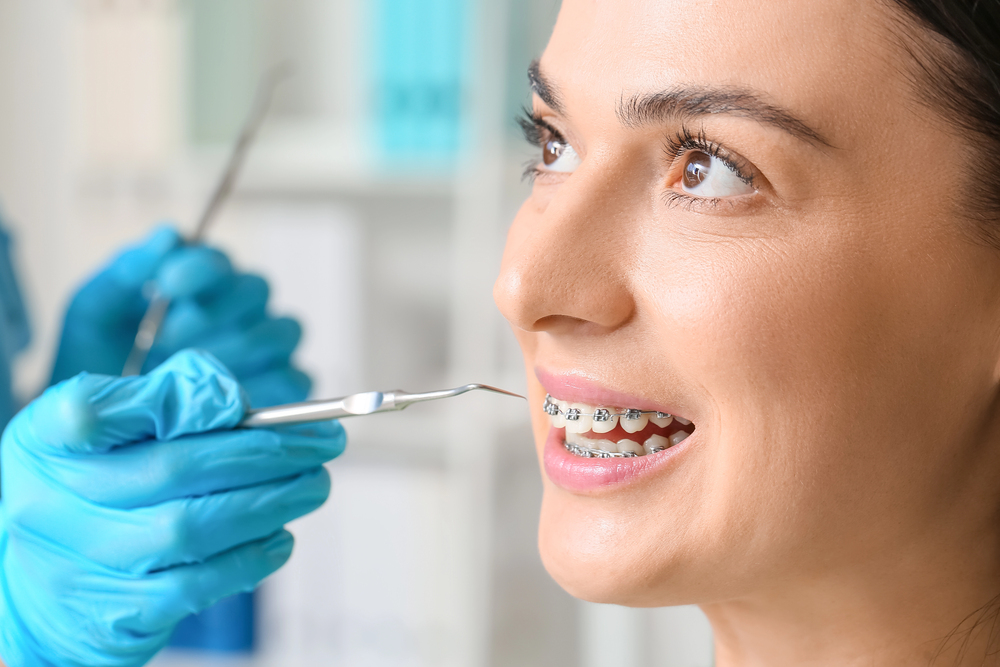
A smile has always carried more meaning than aesthetics alone. It can communicate confidence, warmth, professionalism and individuality without saying a word. For Australian women, increasingly sophisticated expectations around health, appearance and convenience are reshaping what they want from modern dental care. This evolution is particularly visible in orthodontics, where technology is changing not only how teeth are straightened, but also how treatment is planned, experienced and personalised.
The traditional image of orthodontic treatment—metal brackets, wires and frequent adjustments—is no longer the complete story. While conventional braces remain an important and effective treatment option, digital technologies have introduced new possibilities for patients seeking discreet, efficient and highly personalised care.
Digital Planning Is Changing the Patient Experience
One of the most significant developments in modern orthodontic care is digital treatment planning. Three-dimensional scanning can create detailed digital models of a patient’s teeth without relying solely on traditional physical impressions.
For many women, this can make the initial assessment more comfortable while giving clinicians a highly detailed representation of the mouth. Digital models can also help orthodontic professionals analyse tooth positioning, bite relationships and potential treatment pathways with greater precision.
The technology offers another important advantage: visual communication. Instead of simply explaining what treatment might achieve, clinicians can use digital simulations to demonstrate potential changes in tooth alignment. This can help patients understand the stages of treatment and participate more actively in decisions about their care.
Clear Aligners and the Demand for Discretion
Perhaps no technology has changed the public perception of orthodontic treatment more dramatically than clear aligners.
Removable, transparent aligners have become particularly appealing to adults who want to address orthodontic concerns without the visual presence of traditional braces. For women balancing professional responsibilities, social commitments, family life and personal wellbeing, discretion can be an important consideration.
Clear aligners are not appropriate for every orthodontic problem, and suitability must be determined through professional assessment. However, advances in digital scanning, treatment planning and aligner manufacturing have expanded the range of cases that can potentially be managed with this approach.
Their removability can also make certain aspects of daily life simpler. Patients can generally remove aligners for eating and maintain their normal oral hygiene routine, although treatment success depends heavily on following the prescribed wearing schedule and maintaining good dental care.
Artificial Intelligence and More Personalised Treatment
Artificial intelligence is another emerging influence on dentistry. In orthodontics, AI-assisted systems can help process large quantities of digital information, identify patterns and support clinicians in analysing images and treatment data.
The important distinction is that technology does not replace professional judgement. Rather, it can function as an additional analytical tool. An orthodontist still needs to interpret clinical findings, understand the patient’s individual circumstances and determine whether a proposed treatment strategy is appropriate.
For women, this movement towards personalisation is significant. No two smiles are identical, and treatment decisions can involve more than simply moving teeth into alignment. Bite function, facial proportions, gum health, jaw development and long-term stability can all influence the clinical approach.
3D Printing Is Bringing Digital Treatment Into the Physical World
The rise of 3D printing has also connected digital planning with physical orthodontic appliances.
Once a patient’s dental structures have been digitally captured and a treatment plan developed, computer-controlled manufacturing technologies can assist in producing customised appliances and treatment components. This represents a broader shift within healthcare: instead of relying exclusively on standardised products, technology increasingly allows treatment devices to be designed around an individual’s anatomy.
For Australian patients, this digital-to-physical workflow may contribute to more streamlined treatment processes. It also illustrates how orthodontic care is becoming increasingly integrated with technologies that were once associated primarily with engineering and advanced manufacturing.
Remote Monitoring and Greater Convenience
Another emerging development is remote orthodontic monitoring. Digital photographs, specialised applications and connected technologies can allow clinicians to review aspects of a patient’s progress between appointments.
Remote monitoring does not eliminate the need for professional examinations. Instead, it can supplement face-to-face care by helping orthodontic teams identify whether treatment appears to be progressing according to plan and determine when an in-person appointment may be required.
For patients living in Australia’s geographically diverse communities, convenience can be especially meaningful. Long travel distances can make frequent appointments challenging, particularly for people balancing employment, education or family responsibilities.
Technology Still Needs a Human Touch
For all its sophistication, technology cannot transform orthodontic treatment into a purely digital experience.
A successful outcome depends on clinical expertise, careful diagnosis, patient cooperation and ongoing monitoring. Digital simulations are predictions rather than guarantees, and technological systems must always be interpreted within the context of individual health.
There is also an important ethical dimension. Patients should understand what technology can and cannot achieve, what alternatives exist and what risks or limitations may accompany treatment. Informed consent remains essential regardless of how advanced the equipment becomes.
The future, therefore, is unlikely to be about technology replacing the orthodontist. It is more accurately about technology giving clinicians better tools to understand, plan and communicate treatment.
A New Definition of the Modern Smile
The future of women’s orthodontic care in Australia is becoming more personalised, digitally connected and visually informed. From 3D scanning and clear aligners to artificial intelligence, 3D printing and remote monitoring, technology is gradually changing the relationship between patient and clinician.
Yet the most meaningful transformation may be less visible. Modern orthodontics is moving towards an approach in which treatment can be designed around the individual rather than forcing every patient into the same clinical template.
For Australian women, that could mean orthodontic care that better accommodates professional life, personal preferences and long-term oral health while preserving the individuality that makes every smile different.
Ultimately, this is more than a technological revolution. It is a gradual reimagining of what orthodontic care can become when advanced technology and human clinical judgement work together—creating not simply straighter teeth, but smarter, more considered pathways towards healthier and more confident smiles.