
Australia has long been recognised for delivering world-class dental care, yet the greatest transformation in oral health may not come from discovering a revolutionary material or inventing a brand-new procedure. Instead, it is emerging from a quieter but more profound shift: treating dental problems before they become crises and combining clinical expertise with intelligent digital technologies. The future of Australian dentistry will belong to practices that intervene earlier, preserve more natural tissue, and make smarter decisions through data-driven treatment planning.
For decades, dentistry often followed a reactive model. Patients waited until discomfort became impossible to ignore before seeking treatment. Cavities grew larger, gum disease advanced unnoticed, and missing teeth became accepted as an inevitable consequence of ageing. Today, however, modern Australian dentistry is steadily moving away from this philosophy. Prevention, early diagnosis, and digitally guided treatment are reshaping how clinicians think about lifelong oral health.
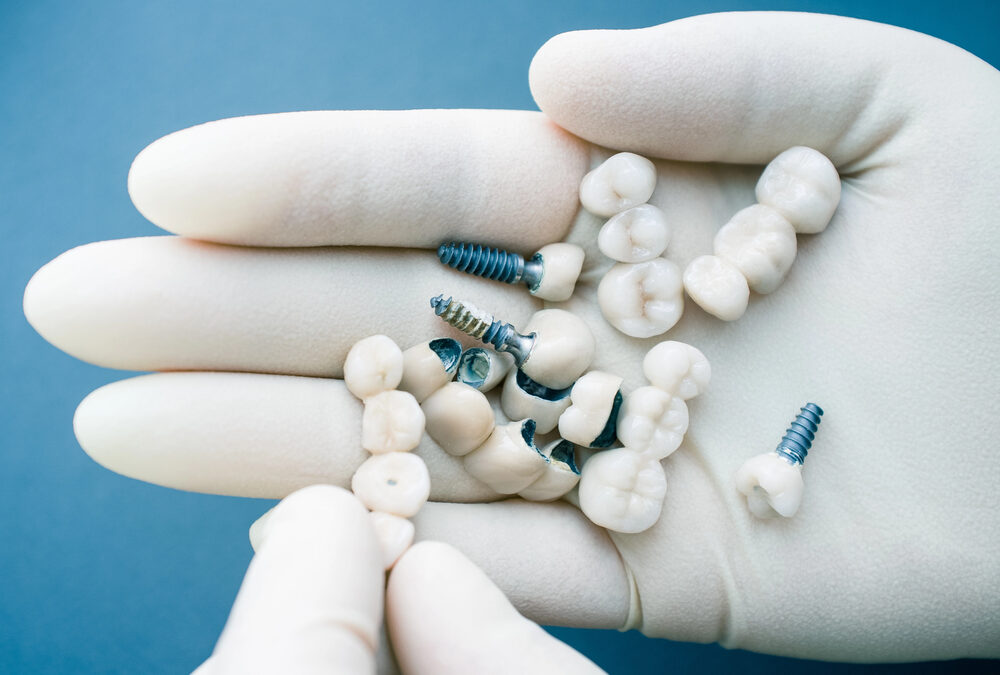
One of the greatest beneficiaries of this evolution is implant dentistry. As Australians retain more of their natural teeth well into later life, the expectation surrounding tooth replacement has also changed. Patients no longer simply want a replacement tooth—they want a restoration that preserves facial structure, protects surrounding teeth, and supports long-term health. This changing expectation is making multiple teeth implants an increasingly strategic solution rather than merely a cosmetic upgrade.
Unlike traditional removable appliances that may transfer pressure unevenly across the jaw, implant-supported restorations stimulate the surrounding bone during normal chewing. This mechanical stimulation helps reduce the bone loss that commonly follows tooth extraction. When several adjacent teeth are missing, carefully planned multiple teeth implants distribute biting forces more naturally, improving both function and long-term stability while preserving neighbouring healthy teeth that might otherwise require preparation for conventional bridges.
Yet the real story extends beyond implants themselves. Success increasingly depends on timing.
Every month a missing tooth remains untreated, the surrounding jawbone can gradually remodel due to the absence of functional loading. This biological process may complicate future treatment, requiring additional procedures such as bone grafting before implant placement becomes feasible. Earlier intervention often means clinicians can work with stronger bone volume, reducing treatment complexity and improving long-term outcomes.
This principle reflects a broader truth about oral healthcare: earlier action almost always creates more treatment options. Small enamel defects can be managed conservatively. Early gum inflammation may be reversed before permanent attachment loss occurs. Even subtle bite imbalances can be corrected before excessive tooth wear develops. Dentistry is becoming less about repairing damage and more about preventing irreversible change.
Technology is accelerating this transformation in remarkable ways.
The rise of dental software is allowing clinicians to view oral health through an entirely new lens. Digital intraoral scanners eliminate many traditional impressions while generating highly accurate three-dimensional models of a patient’s dentition. Cone Beam CT imaging enables clinicians to visualise bone anatomy, nerve pathways, and sinus structures with exceptional precision. Artificial intelligence is beginning to assist in detecting early radiographic changes that may otherwise escape the human eye.
Rather than replacing clinical judgement, these digital tools enhance it.
Sophisticated planning platforms now allow dentists to virtually position implants before surgery begins. Prosthetic outcomes can be designed first, with implant placement optimised to support the final restoration. Surgical guides generated from digital planning increase precision, reduce uncertainty, and often minimise surgical invasiveness.
This digital integration represents one of the most significant consequences of the rise of dental software across Australian practices. Information that once existed in separate systems—radiographs, photographs, intraoral scans, periodontal measurements, occlusal analysis, and laboratory designs—can increasingly be combined into unified treatment workflows. Dentistry becomes less fragmented and more predictive.
The implications extend beyond technology itself.
Digital records enable clinicians to monitor gradual changes that may otherwise go unnoticed over several years. Slight gum recession, subtle tooth movement, progressive wear patterns, or minor implant bone changes can be compared against previous scans with remarkable accuracy. This longitudinal perspective supports earlier intervention long before symptoms appear.
Australia’s ageing population further reinforces the importance of proactive implant maintenance.
Implants are exceptionally successful when properly planned and maintained, but they remain vulnerable to biological complications such as peri-implant mucositis and peri-implantitis if oral hygiene and regular professional monitoring are neglected. As implant therapy becomes increasingly common, long-term maintenance programmes will become just as important as the surgical procedure itself.
Patients often assume implants are permanent solutions requiring little ongoing care. In reality, they demand a partnership between patient and clinician. Routine examinations, professional cleaning, bite assessment, and digital monitoring all contribute to preserving implant health for decades.
Meanwhile, younger Australians are also reshaping the future of dentistry.
Growing awareness of preventive healthcare, increased access to digital health information, and greater emphasis on overall wellbeing mean younger generations increasingly view oral health as part of systemic health rather than an isolated concern. Research continues to strengthen the connections between periodontal disease and conditions including diabetes, cardiovascular disease, and adverse pregnancy outcomes. Maintaining healthy teeth and gums is becoming recognised as an investment in whole-body wellness.
This shift encourages earlier attendance, regular preventive visits, and greater acceptance of conservative treatment approaches.
Perhaps the most exciting aspect of Australia’s dental future is that innovation is becoming increasingly patient-centred rather than technology-centred. Digital systems exist not simply because they are advanced, but because they improve communication, increase treatment accuracy, reduce discomfort, and support more personalised care.
Patients can now visualise proposed implant outcomes before treatment begins, understand complex procedures through digital simulations, and participate more actively in clinical decision-making. Informed patients tend to make better long-term health choices, reinforcing the preventive philosophy that modern dentistry increasingly embraces.
Ultimately, the future of dental health in Australia will not be defined solely by stronger implant materials or faster surgical techniques. It will be defined by recognising disease earlier, preserving healthy tissues whenever possible, and using intelligent digital systems to guide every stage of care. As preventive dentistry and digital innovation continue to converge, Australians stand to benefit from healthier smiles that last longer, function better, and contribute to improved quality of life for generations to come.